
 Available Now
 Available Now
 Available Now
 Available Now
 Available Now
 Available Now


 Available Now
Available Now
Available Now
Available Now
Available Now
Available Now
Available Now
Available Now
Available Now
Available Now
Available Now
 Nobody
 Oh My Soul
 All Because of Mercy
 All Because of Mercy
 Praise You In This Storm
 Nobody
 East to West (Lyric Video)
 All Because of Mercy (Lyric Video)
 Jesus At A Distance (Official Music Video)
 No Hurt (Official Music Video)
 Crazy People (Official Lyric Video)
 Scars In Heaven (Official Video)
 Desert Road (Official Audio)
 Anything But Easy (Official Audio)
 Crazy People (Official Audio)
 2nd Opinions (Official Audio)
 Healer (Lyric Video)
 The Power of The Cross (Lyric Video)
 Nobody (Official Music Video) ft. Matthew West
![Start Right Here (HGA Version) [Official Lyric Video] ft. KB](https://img.youtube.com/vi/FPAeJrpmZM4/maxresdefault.jpg) Start Right Here (HGA Version) [Official Lyric Video] ft. KB
Start Right Here (HGA Version) [Official Lyric Video] ft. KB
 Only Jesus (Official Music Video)
 The Bridge, Only Jesus Visual Album: Part 1 (Introduction)
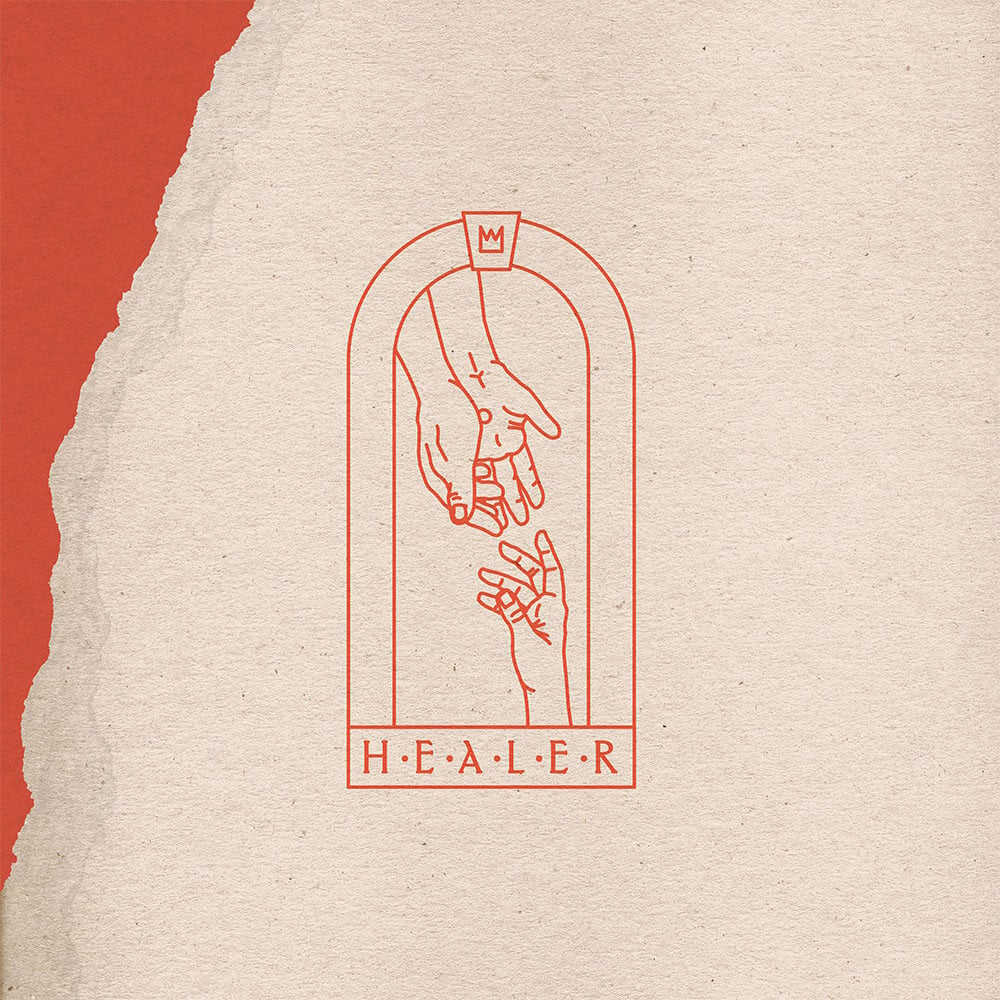
Boiling down life’s most challenging moments into digestible proclamations of faith is a cornerstone of the Casting Crowns brand. Singable truths that point to Jesus is what they’ve always been about and always will be about. But when setting out to write songs for their latest album, Healer, lead singer and primary songwriter Mark Hall was faced with a brand-new challenge. Like the rest of the world, he was stuck at home in the middle of a pandemic. Mark knew, given the circumstances, he needed to write songs for the moment. But the moment loomed so large, so global, it seemed an impossible task. Mark chose to stick to his signature straightforward truth and did the only thing he could do – he wrote from the heart. As he began crafting songs speaking to his own struggles, his own fears and uncertainty, an undeniable theme emerged.
“I was walking through the world being shut down, just like everybody else. I’ve been a youth pastor for over twenty years and here I was counseling teenagers who’d just lost their senior year, lost their friend groups, felt hopeless for the future. As I started working on this record, I realized all the songs I was writing dealt with healing in some way, something we all need. And more than that, we need a Healer. This whole album is about healing, about how God meets us where we are and what His healing looks like.”
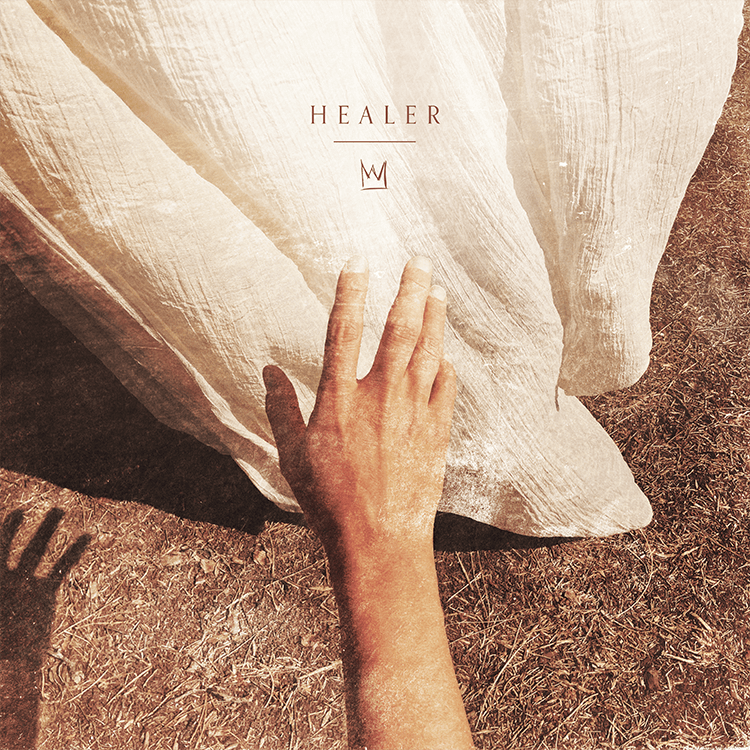
Healer, while sonically diverse, drives home one main idea - the need for Jesus the Healer to be the center of our lives. The title track, a sweeping. big-voiced plea-turned-prayer, speaks to the things we often try instead of turning to the Healer. “The point of this song is that healing is not going to come from the people we’re voting for or the people we’re following on screens,” Mark says. “It’s only going to come from Jesus. He is the Healer.”
“Desert Road,” a harmony-filled tune that plays like a Casting Crowns classic, speaks to those moments when God’s plan isn’t clear, but we’re still called to follow. It’s about the journey of getting past yourself and realizing God knows what He’s doing, that He’s already at the end of the road looking back on it. “When you feel like you’re not in control, it can feel like no one’s in control,” Mark shares. “When we can’t see the plan, we start wondering if there even is a plan. Sometimes He calms the storms and sometimes He rides them out with us. We have to learn how to let go of how we feel and learn to lean in to Who we know.”
Mark 2 tells the story of a group of friends who brought their one friend to Jesus for healing. When the crowd was too large, they lowered their friend through the roof of a house to reach Jesus, and Jesus healed him. Inspired by that story, Mark wrote “Anything But Easy,” a song about bringing our loved ones to Jesus, no matter the obstacle or circumstance. “The healing we’re praying for in people’s lives, God may be saying, I’m ready to heal their heart but I’m going to do it through how you love them. That’s the question I’m asking myself. Do I love my friend enough to push through the awkwardness or them pushing back and not wanting to hear it, in order for them to have the truth?”
One of the most poignant songs on the album, “Scars In Heaven,” a softly-sung ballad about a friend who’s passed, shows a different side of healing. “We have it in our heads the healing we’re praying for, for the people we love, should look at certain way. When that healing doesn’t come the way we want it to, we think God didn’t heal at all. In those moments, if we get in the Word and pray through it, we can see healing did come, it just didn’t come the way we wanted it to.”
While Healer boasts songs that evoke big emotions, the lighter, fun songs pack just as much of a truth punch. Toe-tappin’, front-porch-guitar-pickin’ groove, “2nd Opinions” is Mark’s answer to his years of hearing students ask about verses from the Bible that aren’t actually in the Bible. “I’ve had students for years say things like, ‘what about the verse that says everything happens for a reason?’ I’d tell them that’s in the book of 2nd opinions.” Aptly titled “Crazy People” talks about how the world often views Christians as a little bit crazy – following a God we’ve never seen and praying to a God we’ve never heard. “Think about Noah,” Mark says. “Can you imagine coming home from work and your neighbor is building a boat the size of a football field in his yard? Because God told him to? You’d think this guy was crazy. I say the world could use more crazy people.”
Listening through the album, it’s clear the band’s intention is to show that healing comes in many different colors and sizes. With songs that feel both familiar and brand new, Healer is a scripture-filled push forward, challenging the listener to seek true healing from Jesus, the only Healer we need.
